
Are The Row Bags Worth It The Row Cashmere Knit
The Row’s Aesthetic Code, Unpacked: Why Doing Less Means More
The Row has devoted more than two decades proving that discipline can be a distinct kind of luxury. Founded by Mary-Kate and Ashley Olsen in 2006, the label built its reputation not on logos or seasonal gimmicks but on exacting cut and construction, rigorously considered silhouettes, and materials picked with an eye toward aging well, not looking good in a picture. Bring up quiet luxury in any conversation and The Row’s name will come up almost immediately, because it more or less authored the playbook the rest of the industry still consults. The brand’s design ethos comes down to one simple idea: remove everything that does not serve the garment or the object, and what remains will last. The same thinking spans ready-to-wear, outerwear, and, above all, the accessories line, where the row bags now signal understated status almost instantly. Making sense of The Row’s less-is-more ethos requires close attention to how garments are built, where materials come from, and the deliberate, almost architectural process guiding each launch.
The Roots of a Minimalist Philosophy
Maximalism, loud branding, and rapid turnover dominated fashion at the time The Row was introduced by the Olsens. Their response was deliberately contrarian: garments with hardware pared down to almost nothing, restrained tone-on-tone color choices, and silhouettes developed over months rather than weeks. This deliberate, slow-developing mindset turned into the brand’s defining trait, and that’s the reason The Row gets referenced regularly in talk of the row fashion as a standalone category, not merely a passing fad. The Olsens have discussed their desire to make clothing and objects that would remain desirable ten years on, which meant ruling out anything with a throwaway feel. That philosophy required sourcing partnerships with ateliers in Italy and the UK able to hand-finish details that most shoppers never consciously register yet somehow sense. Seam allowances, lining weights, and even the tension of top-stitching are calibrated with an obsessiveness rarely seen outside true couture houses. The outcome is a body of work in which minimalism reflects not an easy aesthetic choice but maximal, unseen effort.
Why the Bags Became The Row’s Hallmark Piece
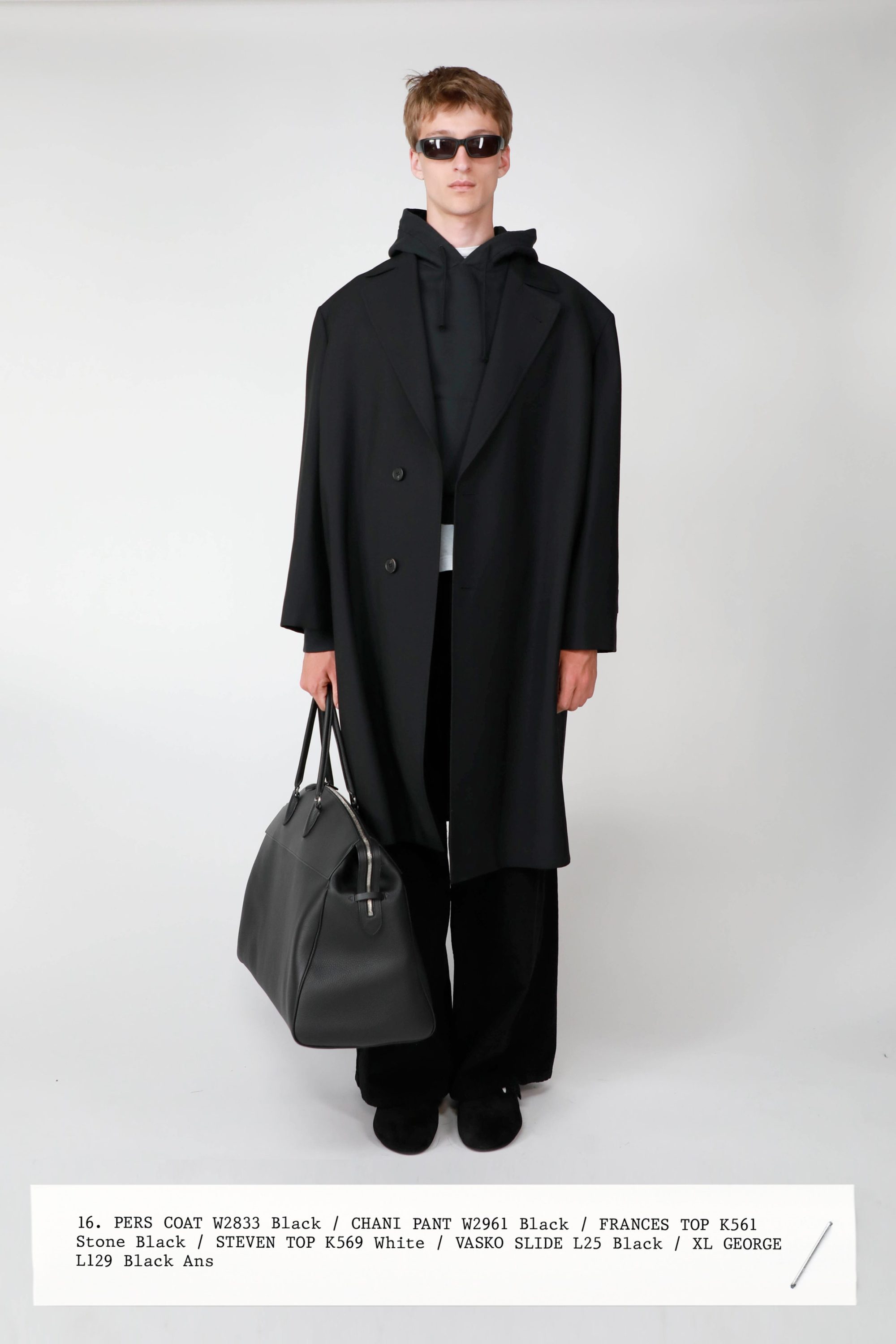
In no other place is this guiding approach the row park tote more legible than in the row handbags, which have without fanfare turned into some of the most coveted accessories in modern-day fashion. In contrast to bags centered on a monogram or a hardware motif, the row bag designs rely entirely on silhouette, scale, and the caliber of the hide used. The Margaux, generally regarded as the label’s signature style, reads differently each time, its loose, unstructured form responding to how it’s carried, folded, or filled. That kind of design only works when the leather is of the highest order, since there is nothing in the way of hardware or logos to call out any flaw. Tote offerings from the row abide by this same reasoning: generously proportioned, understated, and built using vegetable-tanned or napa leathers selected because they develop a deep, aged patina over time. People shopping around for top row bags repeatedly point out that the styles feel more like lasting investments than trend-driven buys, and resale data backs this up, with several styles holding 60 to 75 percent of retail value years after release.
The lack of any visible logo also shifts the way these bags operate in social settings. A row bag is recognized by people who already know what they are looking at, which is precisely the point. This has made the top row bags into something of an insider signal within fashion circles, prized specifically because they do not shout. This restraint places greater demands on materials and craftsmanship, since there is nowhere for imperfection to hide.
Reading the Materials: Leather Choices, Fittings, and Build
The Row’s material choices reveal just how much technical thought underlies its pared-back appearance. Hides are chosen not just for softness but for how they will look after 500 uses, which is a very different calculation than picking a hide based on its first-day appearance. Hardware, where it exists at all, is usually solid brass or matte-finished metal rather than anything shiny or logo-stamped, chosen so it will not date or flake. Stitching is often done in tonal thread specifically so it disappears into the leather rather than creating contrast lines. This is a significant shift from bags built with decorative stitching or contrast piping, and it demands highly skilled leather cutters, since any inconsistency becomes instantly noticeable without a busy pattern to conceal it. Among resale experts and personal shoppers, the circulating overview of row bags repeatedly points to this construction quality as the primary reason these pieces command strong secondary-market prices. Buyers are not paying for a name printed on canvas; they are paying for skins and craftsmanship that were expensive to produce in the first place.
A Side-by-Side Look at The Row’s Core Bag Styles
For customers attempting to choose between the brand’s most in-demand silhouettes, a head-to-head look helps make clear the day-to-day differences in how every style is intended for use on a daily basis.
| Silhouette Name | Shape | Ideal Use | Build |
|---|---|---|---|
| Margaux | Soft-sided, open-top carryall | Regular wear, the daily office run | Unstructured |
| The Row Tote Bag (classic) | Generously sized, boxy-bottomed shape | Trips and bulkier daily essentials | Semi-structured |
| Top-handle styles that are compact | Reduced-scale, squared-off silhouette | After-dark events, the barest essentials | Rigidly built |
What this lineup shows is that the row bags aren’t one design idea resized again and again, but rather a range of construction choices, each tuned to a particular purpose. Someone shopping for an everyday tote will have very different priorities than someone looking for a compact evening piece, and the brand’s range reflects that without ever abandoning its core aesthetic restraint.
Ways to Source Genuine Items and Understand Row Sale Events
Given that The Row avoids heavy discounting or frequent sales, most questions about where to buy the row margaux bag and similar silhouettes lean toward authorized retail sources rather than bargain-hunting. Sales happen via the brand’s own boutiques and a select group of approved department stores and high-end e-commerce sites, a setup that helps safeguard quality control and resale value alike. Should a row sale take place, it tends to be tied to leftover end-of-season inventory at authorized multi-brand retailers rather than the label’s own stores, with specific colorways or leathers often in short supply. Shoppers should stay wary of third-party sellers pushing deep discounts on the row bag styles, as the resale market has seen a rise in convincing fakes given how desirable these pieces have become. Checking stitching consistency, hardware weight, and the interior lining stamp are practical ways to verify authenticity before purchasing through resale platforms. Those set on finding the Margaux specifically will often do better contacting an authorized boutique directly rather than searching widely online, since inventory shifts quickly and isn’t always reflected correctly across every retailer’s website.
What the Phrase “Less Is More” Really Means for Longevity
For anyone trying to decide whether to put money into the brand, that distinction counts: The Row label’s pared-back approach amounts, in the end, to a strategy built for the long haul, far from being a stylistic whim. Clothing and accessories constructed from fewer embellishments have fewer failure points over time, which is a functional case as much as a matter of style. A logo can feel dated within a few seasons; a sharply cut shoulder seam or a richly aged leather tote usually does not. Because of this, resale forums debating the best row bags so often frame their reviews around lasting quality and enduring versatility instead of chasing trends. The Row has essentially created a niche where restraint serves as a hedge against going out of style. For shoppers weighing an investment purchase in 2026, that logic deserves serious consideration, since the philosophy behind the design is impossible to separate from the worth the pieces retain years later. In The Row’s world, less has never translated into easier to produce. It has simply meant leaving nothing behind to distract from the making itself.